
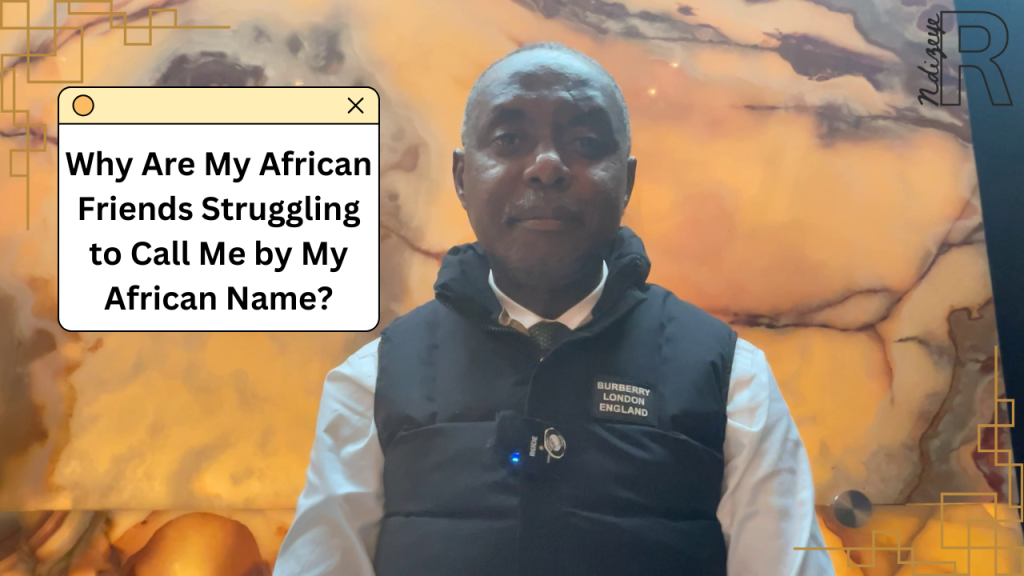
Our names carry history. They hold our identity. They tell stories of who we are and where we come from.
In many African communities, colonialism disrupted these names. The names of our ancestors were replaced with names easier for colonizers to pronounce. Over time, we lost the essence of our cultural identity.
This issue is personal. Recently, I decided to change my name. I moved away from a Westernized name to a meaningful African name. The journey has been eye-opening.
Some friends, even African ones, struggle to call me by my new name. This made me wonder: why do we hesitate to embrace our own culture? Why is it hard to value our identity through our names?
The reaction is not limited to friends. In Australia, where I live, some clients questioned my decision. They suggested I keep a “simple” name. But I stood firm. My name reflects my roots, culture, and pride.
The problem goes deeper. In some African countries, like Rwanda, baptizing children with purely African names can be difficult. Christian names, often Western, are still preferred. This is a reminder of how colonial influence lingers in our traditions.
Other communities have held onto their identity. For example, Indians retained their names, religion, and culture despite 400 years of colonization. Their pride in their heritage is inspiring. It shows us what is possible when we prioritize our roots.
Reclaiming African names is more than a personal choice. It is a step toward decolonizing our mindset. It is about restoring pride in who we are.
We must start the conversation. Why do we shy away from our culture? Why do we still prioritize colonial influence in naming?
Join me in celebrating African names. Let’s embrace our identity and inspire others to do the same. Watch my video to hear my story and share your thoughts.
📺 Watch Now:
#AfricanIdentity #ReclaimYourRoots #ProudlyAfrican #CulturalHeritage #AfricanNames #ColonialHistory #TheRubashaFamilyPodcast